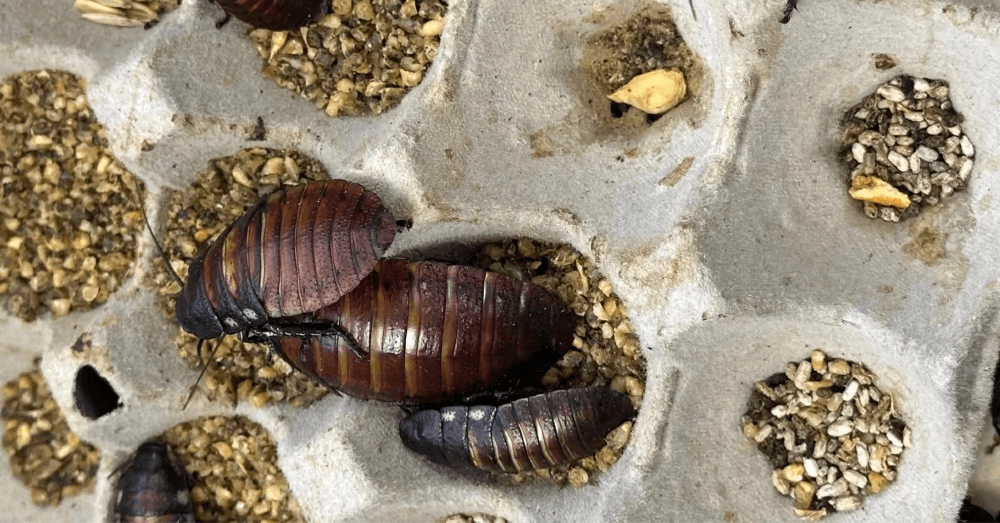
Imagine stumbling across a news story so wild you have to read it twice. That’s exactly what happened when Australian officials announced they’d confiscated more than 100,000 live cockroaches from a single commercial breeder in what they’re calling the country’s largest-ever seizure of exotic invertebrates. The haul of Madagascar hissing cockroaches and dubia cockroaches was valued at $142,000 (200,000 Australian dollars).
- The massive seizure took place in May 2026 at a breeding operation in Bathurst, New South Wales.
- Both Madagascar hissing and dubia cockroaches are completely illegal to import, keep, breed, or sell in Australia.
- Despite the enormous scale of the operation, no charges were laid against the breeder.
A Roach Operation of Staggering Proportions
Australia’s Department of Climate Change, Energy, the Environment and Water confirmed the seizure on Friday, June 5, 2026. The operation targeted a commercial breeder in Bathurst, a city in New South Wales. What officials found was jaw-dropping: more than 100,000 living, breathing, and yes, hissing cockroaches packed into a single breeding facility.
The Madagascar hissing cockroach is one of the world’s biggest roach species, measuring between 2 to 3 inches long. Photos released by the department showed a shiny, brown invertebrate larger than a person’s finger. For comparison, the common Australian cockroach typically measures just 0.9 to 1.4 inches. So these weren’t your average kitchen pests. They were supersized, exotic, and very much against the law.
Why Someone Would Breed 100,000 Illegal Roaches
The answer, surprisingly, comes down to pet food. Stefanie Lesser, a Bathurst snake catcher, told the Australian Broadcasting Corp. that the larger exotic species were likely being sold as a cost-effective reptile food because their large size meant fewer insects were needed. Officials urged pet owners to seek out crickets or wood roaches to feed their lizards instead.
Both Madagascar hissing and dubia cockroaches are illegal to import into Australia. They can’t be legally kept, bred, or sold no matter how they were obtained, the department said in a statement. It’s the kind of bizarre story that might catch your eye while scrolling on your phone at Dayton Nissan during an oil change, but for Australian wildlife authorities, it was serious business.
Australia’s Fierce Biosecurity Protections
Australia maintains strict biosecurity controls at its borders to protect its agriculture and horticulture sectors and native wildlife from pest infestations. Those smuggling in undeclared or illegal animal, insect, or plant material can be fined thousands of dollars.
The department emphasized that exotic cockroaches “have not been subject to an environmental risk assessment” and they could spread disease or harm native wildlife. Officials warned of prosecutions against those caught with the invertebrates.
No Charges, But All 100,000 Roaches Will Be Destroyed
In a twist that might surprise some, charges weren’t laid against the Bathurst breeder, a department spokesperson confirmed. The reasons weren’t specified publicly. What is certain is the fate of the cockroaches themselves. All the seized insects will be euthanized, according to the department.
With an operation this large, worth an estimated $142,000, many have wondered why prosecution wasn’t pursued. The department has not addressed this directly, but the public warning about future prosecutions suggests authorities are drawing a line going forward.
A Strange Record Nobody Wanted to Set
Cockroaches flourish in Australia due to its subtropical climates, and the country is home to hundreds of species. But this record-setting seizure shows that even in a country crawling with roaches, there’s a booming underground market for exotic varieties that aren’t supposed to be there at all.
The case also highlights the tension between pet owners looking for affordable feeding options and biosecurity officials trying to keep potentially harmful species out of Australia’s ecosystem. With reptile ownership growing in popularity, this probably won’t be the last time authorities find themselves knocking on a breeder’s door.
For now, the message from Australian officials is simple: if you own a lizard, feed it crickets. The giant, hissing alternative will land you on the wrong side of the law.
This post may contain affiliate links, meaning we may earn a commission if you make a purchase. There is no extra cost to you. We only promote products we believe in.