Capybaras Crash a Brazilian Legislature Session
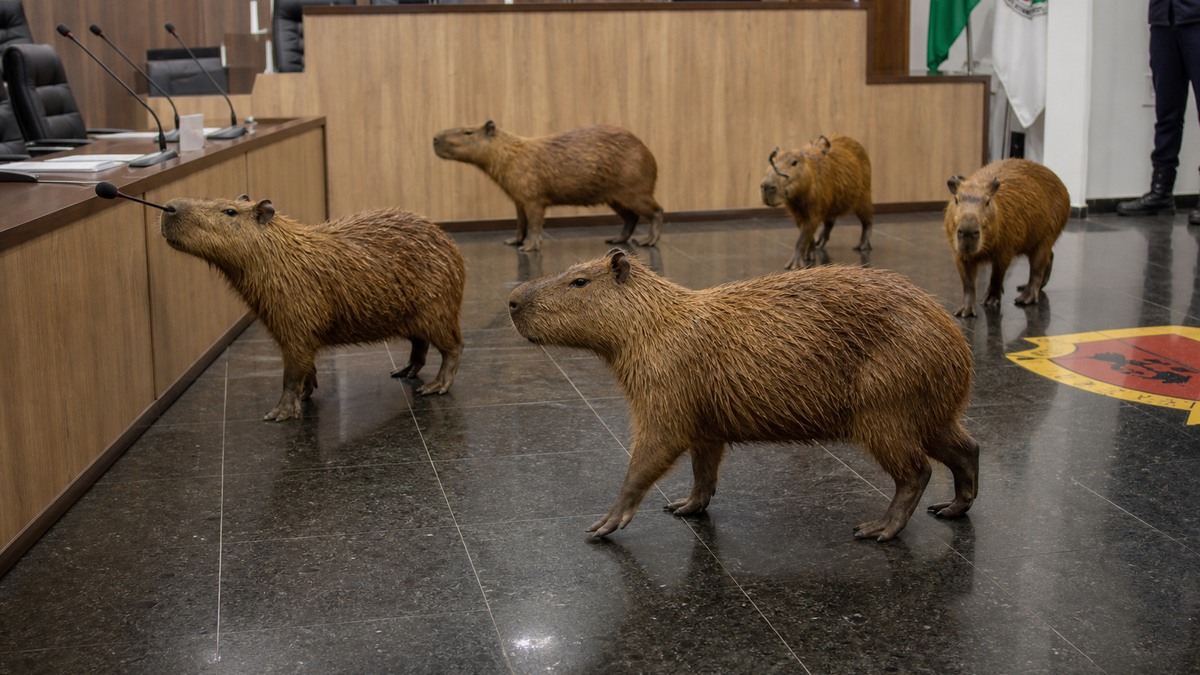
Lawmakers walked in expecting a routine day. What they got instead was a herd of capybaras strolling through the chamber like they owned the place, completely unbothered by the humans around them.
- A group of capybaras wandered into the chambers of a local Brazilian legislature in the middle of the workday.
- The animals stayed remarkably calm, showing none of the panic you might expect from wildlife indoors.
- Capybaras are the world’s largest rodents and are known across South America for their easygoing temperament.
An Unexpected Delegation Arrives
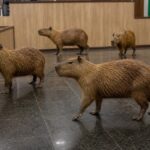
Picture the scene. Officials are gathering and papers are shuffled. Then a handful of capybaras amble in through the building, moving at their own unhurried pace. They didn’t dart around or crash into furniture. They simply walked in, looked around, and carried on as if the whole thing were part of their daily route.
That kind of composure is exactly what capybaras are famous for. These animals rarely spook easily, and they tend to treat unfamiliar surroundings with the same laid-back attitude they show at a riverbank. For the people in the room, it made for a surreal and pretty funny interruption to government business.
Meet the World’s Chillest Rodent
Capybaras hold the title of largest rodent on the planet. Full grown, they can weigh well over 100 pounds, which puts them closer in size to a big dog than to the mice and rats people usually think of when they hear the word rodent. They’re native to South America and thrive across much of Brazil, where wetlands, rivers, and lakes give them everything they need.
They’re semi-aquatic, so water is central to their lives. They swim well, cool off in rivers, and often graze on grasses near the water’s edge. They also live in social groups, which is part of why a whole herd showing up together makes sense. Where one goes, the rest tend to follow.
Their gentle nature has turned them into something of an internet darling in recent years. Videos of capybaras lounging near other animals, soaking in hot springs, and letting birds perch on their backs have earned them a reputation as the most relaxed creatures around. A quiet visit to a government building fits that image perfectly.
Why Wildlife Keeps Showing Up in Cities
Encounters like this one are becoming more common as towns and cities expand into areas that used to be open habitat. Capybaras adapt well to spaces near people, especially where there’s water and grass nearby. Parks, ponds, and landscaped grounds around public buildings can look a lot like home to them.
When their usual territory butts up against sidewalks and offices, the line between wild space and human space blurs. Animals that feel safe and find food will wander wherever the path takes them. Sometimes that path leads straight through the front door of a legislature.
For residents in parts of Brazil, seeing capybaras out in the open isn’t shocking on its own. They graze in public parks and stroll along roadsides in some regions. What made this moment stand out was the setting. A chamber full of officials at work is not where anyone expects to find a herd of oversized rodents making themselves comfortable.
A Reminder That Nature Keeps Its Own Schedule
Moments like this have a way of cutting through the seriousness of a workday. The agenda can wait a few minutes while everyone watches a group of capybaras decide where to go next. There’s something charming about wildlife reminding us that our buildings and schedules mean very little to the animals sharing the neighborhood.
If you ever find yourself near a capybara, the best move is simple. Give it space, keep your distance, and let it go about its business. These animals are calm, but they’re still wild, and they deserve room to roam. For the lawmakers who shared their chamber with a herd that day, it turned an ordinary session into a story worth retelling for a long time.
This post may contain affiliate links, meaning we may earn a commission if you make a purchase. There is no extra cost to you. We only promote products we believe in.