What started as a boring errand at the Bureau of Motor Vehicles has snowballed into one of the strangest viral mysteries of the year. Erika Brown walked in to renew her driver’s license, got flagged for possible fraud, and walked out with a TikTok quest to find the stranger who apparently shares her face.
- Facial recognition software at the Indiana BMV flagged Erika Brown as a possible match for another woman with a different name and address.
- Brown waited roughly three months before her new license was finally issued.
- She’s now posting daily TikTok updates in hopes of tracking down her real-life look-alike.
A License Renewal That Took a Weird Turn
Erika Brown of Anderson, Indiana, was simply renewing her driver’s license at the Bureau of Motor Vehicles when the agency’s facial recognition software suggested there could be fraud at play. Instead of walking out with a fresh piece of plastic, she got a phone call from a state investigator.
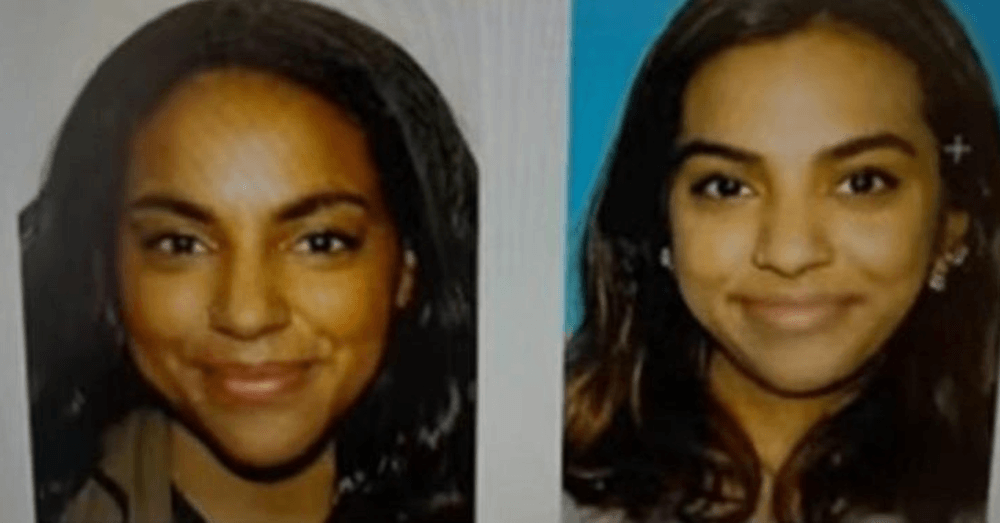
A Fraud and Security Enforcement officer contacted Brown and asked her to provide evidence of her identity before a new license could be issued. When she came in, the officer pulled up two side-by-side photos. One was Brown’s own driver’s license picture. The other belonged to a different Indiana woman the same age, with a different name and a different address.
Brown said the resemblance was genuinely uncanny. She told WXIN-TV it felt bizarre to see someone who looked so much like her, especially since she’s an only child and no one in her life really resembles her. The two women had apparently been living near each other without ever meeting.
Three Months in License Limbo
Proving you are who you say you are shouldn’t usually take a quarter of a year, but that’s exactly what happened here. Brown’s new license was finally issued after three months, and she has since started posting a new TikTok video with an update on her search every day. The videos have picked up steam fast, with viewers swapping theories, tagging friends who might know the mystery woman, and sharing their own BMV horror stories.
Brown has said she wants to meet her look-alike, be in the same room with her, and learn who she is. She’s curious about the other woman’s family, what her parents look like, and how something like this even happens genetically. It’s equal parts sci-fi premise and small-town mystery.
How the BMV’s Facial Recognition Actually Works
The technology behind the flag isn’t new. When someone applies for a new license or renews an existing one, their photo is added to the system, and each evening the BMV runs the image against a database of roughly 6.5 million license holders. Algorithms produce a score that indicates the probability of a match with any existing photos, and anything over a certain threshold gets a human review the next morning.
Across Indiana’s 140 motor vehicle branches, staff typically handle about 500 reviews a day, which is roughly 5 percent of the images processed, with most flags chalked up to coincidental similarities or data entered incorrectly. The system uncovers two or three genuinely suspect cases daily, which get kicked up to an internal security unit. Brown apparently fell into that first bucket, a real coincidence rather than actual fraud.
Indiana isn’t alone in using this kind of tech. The state was one of 20 using facial recognition software in the license-issuing process, and it was reportedly the only one with a formal no-smile policy in place. That’s also why driver’s license photos from Indiana to Connecticut tend to look so grim. Smiles mess with the measurements algorithms rely on, so neutral faces win.
Why This Story Hit a Nerve Online
There’s something oddly comforting about the idea that a stranger out there might share your face. TikTok commenters have latched onto Brown’s saga partly because it turns a bureaucratic headache into a genuine human mystery. Who is this woman? Are they distantly related? Will they ever actually meet?
The case also raises a quieter question about automated identity checks. Software designed to catch criminals caught a regular person renewing her license, and it cost her three months of hassle. For most people flagged in error, there’s no viral payoff at the end, just paperwork.
What Happens Next in the Doppelganger Search
For now, Brown keeps posting, her followers keep sleuthing, and the other Indiana woman, whoever she is, may or may not know she’s the subject of a growing internet hunt. If the pair does meet on camera, expect the resulting video to break the algorithm in a very different way than the BMV’s software did. Until then, it’s a reminder that sometimes the weirdest stories start at the least exciting counter in town.
This post may contain affiliate links, meaning we may earn a commission if you make a purchase. There is no extra cost to you. We only promote products we believe in.