One of Japan’s most photographed spring events is done. Officials in Fujiyoshida, a small city near Mount Fuji, announced on February 3 that they’re canceling the Arakurayama Sengen Park Cherry Blossom Festival for good. The reason? Years of escalating bad behavior from visitors that has made daily life miserable for the people who actually live there.
- Tourists have been accused of opening private home doors without permission to use restrooms, trespassing, littering, and defecating in private yards.
- The decision ends a decade-long spring event that typically drew around 200,000 visitors each year to see cherry blossoms framing Mount Fuji.
- Japan experienced record tourism in 2025, with roughly 42.7 million visitors arriving in the country, surpassing the previous high of nearly 37 million recorded in 2024.
A Festival That Grew Too Big, Too Fast
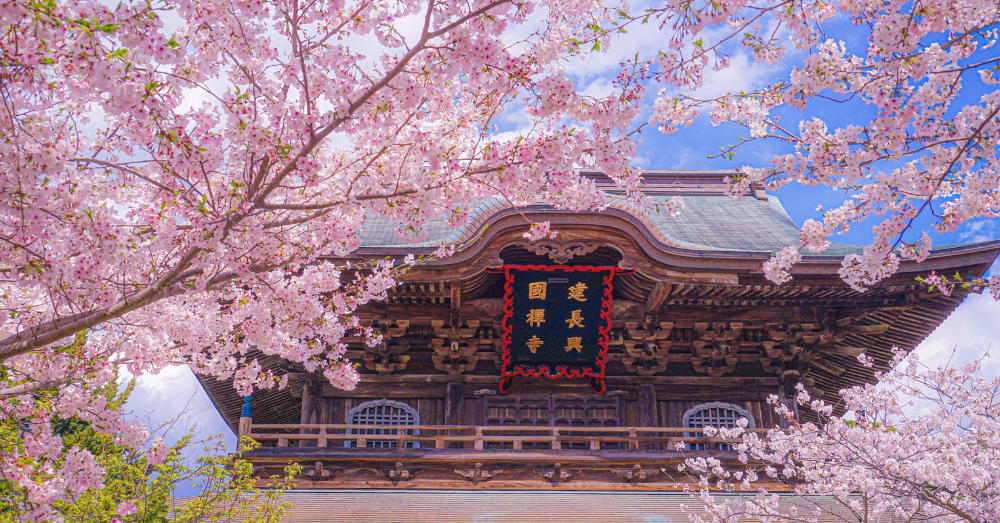
The festival at Arakurayama Sengen Park was launched in 2016 to boost tourism. The city planted 650 Somei Yoshino trees and introduced a “Sakura Marche” with 36 local vendors selling food and regional products such as yakisoba, kushiage, dumplings, and sake. The park’s observation deck offers one of those postcard-perfect scenes: cherry blossoms in the foreground, the five-tiered Chureito Pagoda rising behind them, and Mount Fuji towering in the distance.
It became a hotspot for photographers and influencers, gaining huge popularity online, which only added to its fame. As many as 10,000 visitors now flock to the town daily during peak blossom season, an increase officials attributed to “the weak yen and explosive popularity fueled by social media.” For a city of about 46,000 to 47,000 residents, those numbers created pressure that local roads, parking, and public services were never built to handle.
What Pushed Residents Over the Edge
Traffic jams and crowded sidewalks are one thing. What happened in Fujiyoshida went well past inconvenience. Authorities detailed severe disruptions caused by tourists, including opening the doors of private homes to use restrooms without permission, littering, and defecating in private yards. Residents who attempted to point out these violations were reportedly met with hostility.
Parents also raised safety concerns, saying children walking to school have been pushed off sidewalks as crowds swell during peak blossom season. Even people from Minneapolis, MN, who are used to crowded summer festivals along the Mississippi, would be shocked by that level of disregard for a community’s daily routine.
Mayor Shigeru Horiuchi didn’t hold back when addressing the public. “Behind Mount Fuji’s beautiful landscape is the reality that the quiet lives of citizens are threatened,” he said. “We have a strong sense of crisis. To protect the dignity and living environment of our citizens, we have decided to bring the curtain down on the 10-year-old festival.”
Canceling the Festival Won’t Stop the Crowds
The cherry blossoms will still bloom in April and May, whether a festival is happening or not. Despite the cancellation of the festival, the city is still expecting an influx of visitors. Authorities have brought in safety and hygiene measures, including deploying security guards and setting up portable toilets. Temporary car parking facilities will also be established to ease congestion on local roads.
The Arakurayama Sengen Park observation deck is still expected to be extremely busy, with waiting times of up to three hours. By removing the official festival, with its stage events, food stalls, and promotional marketing, Fujiyoshida hopes to spread visitor numbers across a longer period rather than concentrating them in one intense week.
This pattern isn’t unique to Fujiyoshida. Fujikawaguchiko, a neighboring town, got so fed up with tourist crowds that it built a huge fence blocking the view they were coming for. The 20-meter-long and 2.5-meter-high fence covered with black mesh prevented tourists from taking selfies with Mount Fuji. The barrier was taken down in August as a precaution when a typhoon was forecast, but authorities decided not to reinstall it as it had already reduced visitor numbers.
Japan’s Bigger Tourism Reckoning
The cancellation comes amid a broader tourism boom in Japan. In 2025, more than 42 million tourists visited the country, an all-time record. A weak yen has made travel more affordable, while viral social media images have pushed once-quiet locations into the global spotlight. And Japan isn’t the only country dealing with this tension. Italian authorities recently introduced a €2 fee to access the viewing area of Rome’s Trevi Fountain, while Venice now charges day trippers between €5 and €10, depending on when they book.
The common thread in all these stories is that popular destinations are realizing visitor numbers alone don’t tell the whole story. Quality of life for residents matters, too. Fujiyoshida’s decision sends a clear message: the scenery belongs to the people who live with it every day, and no amount of tourism revenue is worth sacrificing their peace.
Will Other Festivals Follow Fujiyoshida’s Lead?
It’s a fair question. Japan has hundreds of cherry blossom viewing spots, and many smaller towns are watching Fujiyoshida closely. Mayor Horiuchi offered a note of hope, saying, “Going forward, we will build appropriate systems so that residents can live with pride and warmly welcome visitors from around the world.” That suggests this isn’t the end of tourism in Fujiyoshida. It’s a reset. The blossoms will still bloom, and the views will still take your breath away. But the days of unchecked crowds treating a living community like a theme park are over.
This post may contain affiliate links, meaning we may earn a commission if you make a purchase. There is no extra cost to you. We only promote products we believe in.